Eco-Friendly Approaches: How E-Waste Recycling Services Are Preserving Our Planet
E-waste poses significant threats to the environment, as abandoned electronic devices commonly carry harmful materials. Such dangerous compounds can pollute soil and water supplies, causing extensive damage to surrounding ecosystems. E-waste recycling services present a viable solution. They serve the dual purpose of reclaiming precious materials and reducing contamination. Comprehending the operation of these services and their influence on communities is of great importance. The path to successful electronic waste management prompts vital discussions about personal accountability and communal efforts. What steps can be taken next?
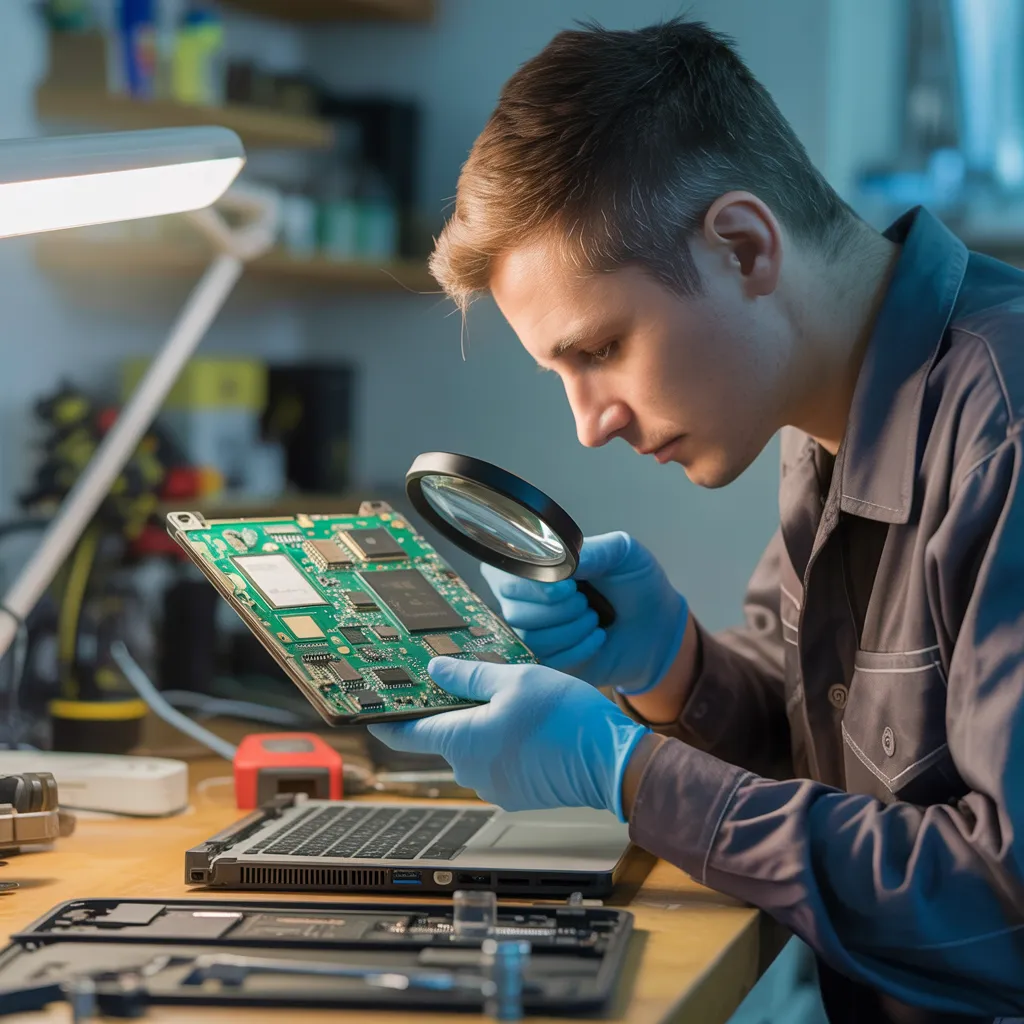
Why Electronic Waste Is Harmful to the Planet
Although technological advancements improve our daily lives, e-waste poses significant environmental threats. Discarded electronic devices, frequently composed of dangerous compounds like mercury, lead, and cadmium, are capable of seeping pollutants into soil and groundwater, posing risks to both wildlife and human well-being. The rapid pace of technological advancement leads to greater consumer replacement of electronic devices, worsening the buildup of discarded electronic materials.
Landfills, already overwhelmed with refuse, find it difficult to handle the increasing amounts of discarded devices. Incineration, a common waste management technique, emits dangerous pollutants into the environment, degrading atmospheric conditions. Furthermore, inadequate recycling methods can result in the shipment of electronic waste to underdeveloped nations, where workers may break down equipment without proper protective measures, putting themselves at risk of exposure to hazardous materials. This cycle of neglect and improper handling underscores the urgent need for sustainable recycling solutions that can mitigate the adverse effects of e-waste on the planet.
What Is E-Waste and Why Is It Important?
Electronic waste, commonly known as e-waste, encompasses unwanted electronic equipment like smartphones, computers, and televisions that have exceeded their operational lifespan. This growing category of waste is significant owing to its accelerating volume, fueled by innovation in technology and shifting consumer habits. As growing numbers of electronics become outdated, the environmental impact intensifies, with harmful substances like lead, mercury, and cadmium threatening both ecosystems and public health.
The importance of addressing e-waste lies not only in mitigating these hazards but also in recognizing the valuable materials it contains. Precious metals and rare earth elements can be recovered and reused, reducing the need for mining and conserving natural resources. Through a deeper awareness of e-waste and its consequences, both individuals and organizations can make well-informed choices regarding disposal and recycling, thereby supporting a more sustainable future. Effective handling of e-waste is vital for encouraging a circular economy and advancing environmental responsibility.
The Way E-Waste Recycling Functions
E-waste recycling entails an organized procedure intended to extract beneficial components while reducing harm to the environment. At the outset, e-waste is collected and transported to purpose-built recycling plants. After reaching the facility, the electronics are carefully categorized to separate hazardous components from recyclable materials.
After this step, technicians break down the electronics, extracting plastics, metals, and glass. This stage is crucial, as it facilitates the reclamation of high-value metals like gold, silver, and copper, which can be recycled in new electronic devices.
Next, the isolated materials are treated via sophisticated techniques, such as mechanical shredding and chemical processing, to cleanse them for repurposing.
Finally, the leftover hazardous materials are disposed of responsibly, following environmental guidelines. This systematic method not only conserves resources but also mitigates the risks associated with unsafe e-waste handling, ensuring a more sustainable future for electronic device usage.
Benefits of E-Waste Recycling for You and Your Community
While many individuals may not realize it, the benefits of e-waste recycling reach well past personal use to meaningfully influence entire communities. By properly recycling electronic waste, individuals help foster a healthier environment, reducing harmful substances that can contaminate soil and water. This proactive approach actively safeguards local ecosystems and promotes public health.
In addition, e-waste recycling fosters employment opportunities within local communities. Local recycling facilities often require personnel for a range of functions, from collection to processing, thus generating valuable job opportunities to area workers. This not only strengthens the regional economy but also promotes community participation in sustainable initiatives.
Moreover, awareness of e-waste recycling may result in awareness campaigns, enabling residents to adopt eco-friendly choices. By participating in e-waste recycling programs, individuals foster a culture of sustainability, prompting others to follow suit. In summary, the combined impact of these actions can contribute to a more strong and environmentally aware community.
Tips for Choosing an E-Waste Recycling Service
Picking the most suitable electronic waste recycling provider is essential for ensuring that electronic refuse is processed responsibly and sustainably. First, people should verify the company's credentials, such as R2 and e-Stewards certifications, which demonstrate adherence to professional guidelines for safe recycling practices. It's also important to evaluate the provider's standing by reading customer reviews and seeking recommendations from trusted sources.
Next, transparency in the recycling process is vital. A dependable provider should offer detailed insights about the manner in which e-waste is managed and what happens to the materials. Additionally, considering the scope of services provided can prove valuable; some companies may provide pickup services or offer incentives for recycling.
Ultimately, learning about local regulations regarding e-waste disposal can further guide the selection process. When these considerations are given priority, people are able to support successful electronic waste reduction while also advancing sustainable environmental efforts.
How You Can Take Part in E-Waste Recycling?
Engaging in e-waste recycling can start at the local level, where community recycling hubs frequently offer essential services for responsible disposal. Furthermore, participating in community awareness campaigns can enhance efforts to inform others regarding the importance of responsible e-waste management. Such efforts not only advance environmental sustainability but also foster a collective sense of responsibility toward the environment.
Nearby Recycling Facilities
Several regional recycling hubs serve a vital function in recycling electronic waste, providing communities with accessible options to manage electronic waste appropriately. These hubs welcome a variety of electronic items, including used computers, handheld devices, and televisions, making certain that hazardous materials are managed safely. Many hubs feature qualified professionals who can guide individuals on proper disposal methods, underscoring the benefits of recycling compared to landfilling. In addition, many centers offer planned drop-off gatherings or set collection days, allowing residents to take part with ease. By engaging with these local facilities, community members advance a circular economy, decreasing environmental damage and advancing sustainable approaches. See more Partnering with these facilities allows communities to address e-waste pollution proactively.
Community Awareness Campaigns
Local organizations, schools, and businesses can collaborate to host events that promote e-waste collection drives. Dedicated participants can take a leading part in promoting knowledge, handing out educational content, and interacting with the surrounding community. As a result of these combined actions, community members grow more knowledgeable and inspired to dispose of their electronics responsibly, thus playing a meaningful role in creating a more environmentally responsible future.
Frequently Asked Questions
What Types of Electronics Can Be Recycled?
Various electronics are able to be recycled, including computers, smartphones, televisions, laptops, gaming consoles, and printers. Additionally, accessories such as batteries, keyboards, and mice are equally appropriate for recycling, supporting sustainable environmental practices.
Do Any Costs Come With E-Waste Recycling?
Indeed, electronic waste recycling sometimes comes with charges, based on the service provider. Some service centers impose charges for gathering or treatment, while other facilities offer free services, typically funded by the proceeds from salvaged materials.
How Can Businesses Benefit From E-Waste Recycling?
Businesses can benefit from e-waste recycling by reducing disposal costs, strengthening their ecological standing, meeting compliance standards, reclaiming useful materials, and creating potential earnings via resale, thereby fostering a more environmentally responsible business approach.
What Becomes of Data on Recycled Devices?
Details from recycled equipment is commonly irretrievably wiped or eliminated during processing. This guarantees confidential data stays protected, preventing unauthorized access while enabling materials to be repurposed safely and responsibly in new products.
Can I Recycle Broken Electronics?
Absolutely, non-functioning electronics can be recycled. A wide range of collection points take in broken devices, guaranteeing safe disposal and retrieval of valuable materials. This helps lower the environmental footprint while fostering responsible recycling practices to address e-waste effectively.